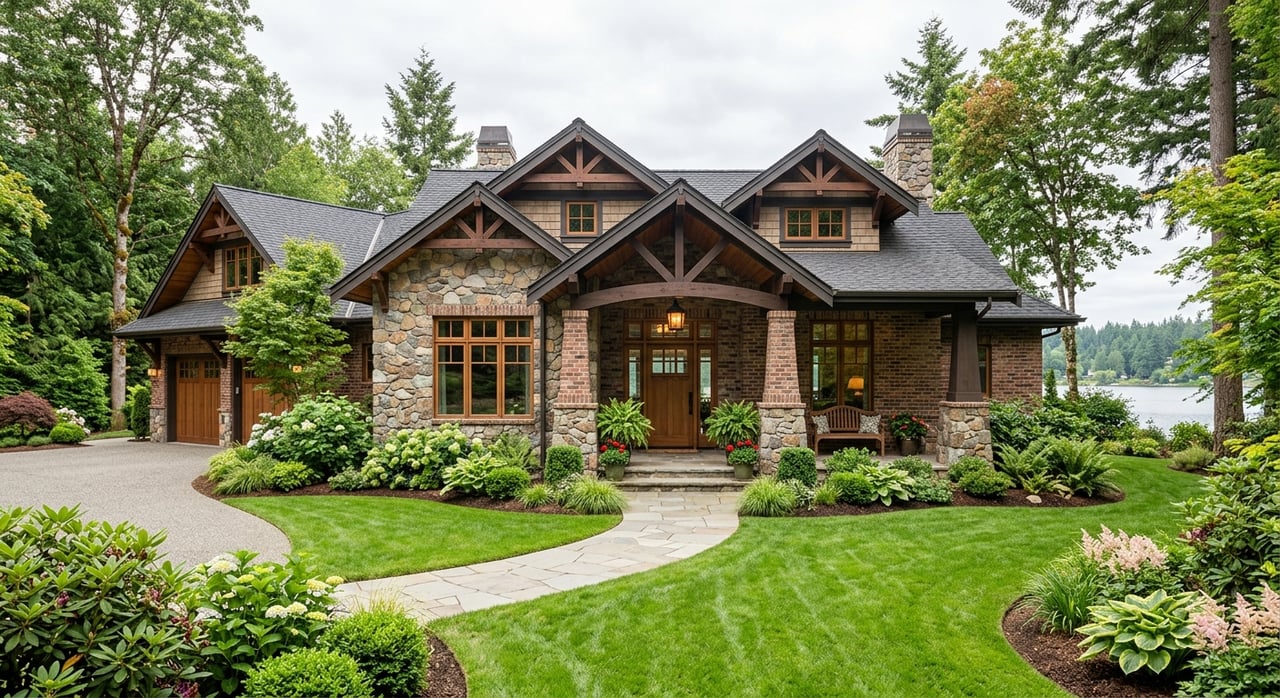
If you are getting ready to sell a Pickwick Lake home, you are not just listing four walls and a roof. You are also presenting a lake lifestyle, and today’s buyers notice every part of it, from the dock to the deck to the view. With the right prep, you can make your Counce-area property feel easier to buy, easier to enjoy, and easier to imagine as home. Let’s dive in.
Why Pickwick buyers look beyond the house
Pickwick Reservoir is a TVA-managed part of the Tennessee River with 496 miles of shoreline and 42,700 acres of water surface. In a market like Counce and Pickwick Lake, that means buyers are often judging the full experience, not just the square footage.
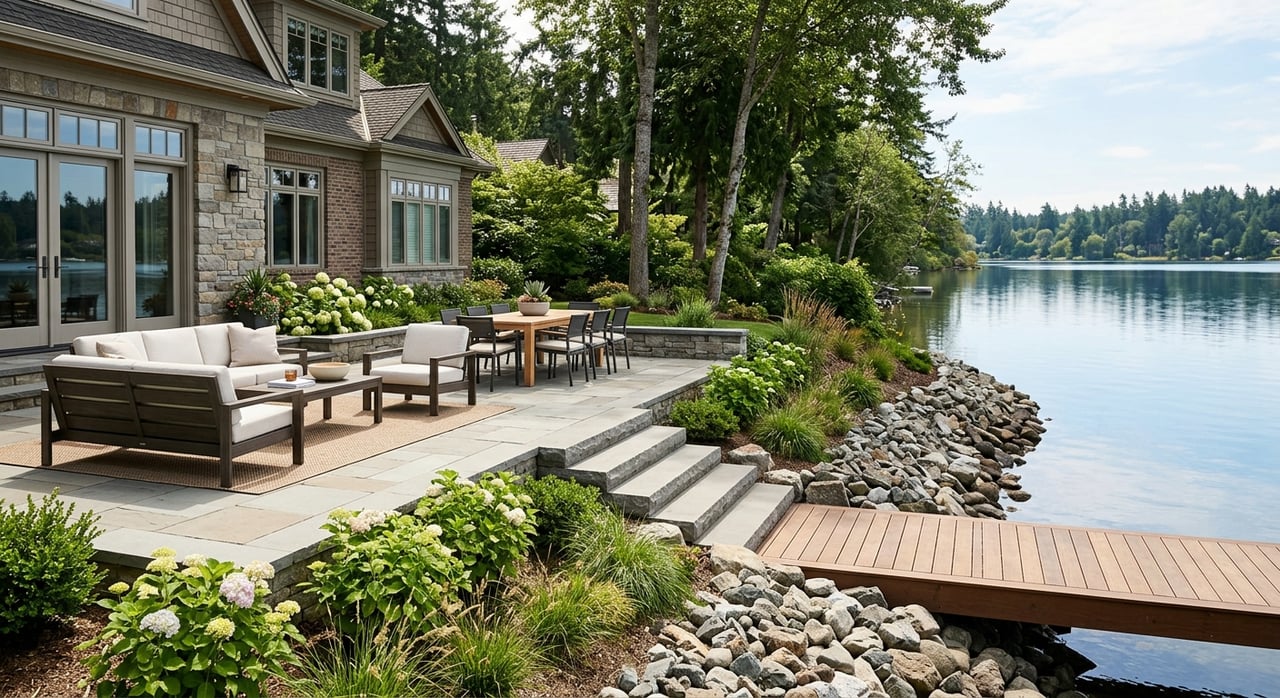
They want to know how the property lives day to day. That includes shoreline access, dock condition, outdoor gathering space, and how the home connects to the water. A beautiful interior matters, but so does what happens when a buyer steps outside.
Start with the waterfront features
For many buyers, the dock and shoreline are the first major value questions. Before you list, confirm that your dock, ramp, seawall, utility runs, and any shoreline changes match TVA approvals.
TVA says permits are needed when property ownership changes and for modifications to existing shoreline structures. Even small dock changes may require TVA approval, so this is not an area to guess on.
Check your Section 26a permit
One of the smartest steps you can take is to pull your Section 26a permit and compare it to what is actually on the property. TVA specifically advises sellers and real estate professionals to review the permit and make sure shoreline structures and utilities match the approved plans.
If something does not match, deal with it early. TVA says shoreline permit reviews can take up to 120 days, and delays are more likely if an application is incomplete or changes after submission.
Do not assume every lot is dock-eligible
Some sellers are surprised to learn that not every waterfront parcel is automatically eligible for a dock. TVA says land rights determine whether a property can even apply for a Section 26a permit.
That makes accuracy especially important when you market a lake property. If your home has waterfront access, be clear about what is approved today rather than making assumptions about future use.
Watch for dock details that raise flags
If your dock has been altered over time, now is the time to review those changes. TVA notes that covered second stories are not allowed on docks and may need to be removed if they are enclosed or roofed.
If a dock is grandfathered, paperwork still matters. TVA says the facility still needs a permit transfer when ownership changes, and any change from the prior approval generally requires a new permit.
Make outdoor areas feel like real living space
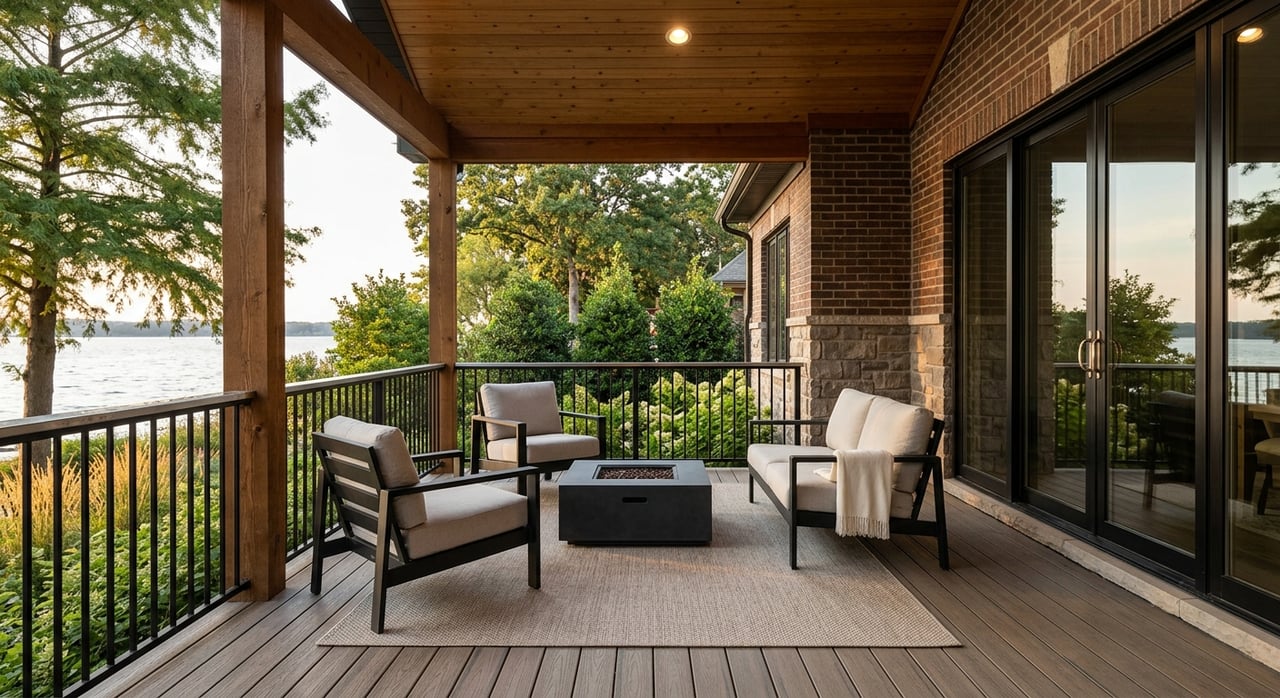
At Pickwick, outdoor space often acts like an extra room. Buyers are not just looking at a deck or patio as a bonus. They are picturing morning coffee, easy dinners outside, and weekends with family and friends.
That is why simple outdoor staging can go a long way. The goal is to help buyers see how they would use the space instead of making them work to imagine it.
Focus on practical improvements
You do not need a full renovation to improve your outdoor presentation. In many cases, a few practical updates make the biggest difference:
- Pressure wash decks, patios, walkways, and hard surfaces
- Stain or paint worn wood
- Tighten railings
- Replace broken boards
- Update burnt-out or broken light fixtures
- Add a simple seating area so the space reads as a place to gather
These updates help outdoor areas feel intentional, clean, and low-maintenance. That matters in a resort-style market where buyers often want a home that feels ready for weekends or full-time lake living.
Keep shoreline cleanup conservative
A tidy exterior helps, but shoreline work has limits. TVA says vegetation management on TVA property requires prior written approval and a vegetation management plan.
In other words, be careful not to over-clean or remove vegetation without checking first. A polished property should still stay within TVA rules.
Pay attention to drainage
Drainage may not be glamorous, but buyers notice signs of standing water, washout, or erosion. NAR notes that poor drainage can lead to water damage, erosion, and flooding, so it is worth addressing obvious issues before photos and showings begin.
Even small fixes can help the property feel better maintained. Clear paths, stable footing, and clean transitions from the house to the water all support a stronger first impression.
Prep the inside for photos and showings
Buyers usually see your home online before they ever step through the door. NAR reports that 73% of buyers’ agents said photos were highly important, with videos, physical staging, and virtual tours also playing an important role.
That means your home should be prepared not only for in-person showings, but also for the camera. At a lake property, the interior and the view need to feel equally polished.
Stage the rooms buyers notice most
According to NAR’s 2025 survey, the most commonly staged rooms are the living room, primary bedroom, dining room, and kitchen. The living room ranked as the most important room to stage from the buyer agent perspective.
If you are deciding where to spend your time and budget, start there. Clean, open, welcoming main spaces help buyers focus on the home itself instead of distractions.
Use simple staging principles
NAR’s staging guidance recommends a few basics that work especially well in lake homes:
- Let natural light shine in
- Use neutral wall colors where possible
- Remove clutter
- Streamline décor
- Deep clean the home
- Fix neglected lighting
These steps help the home look brighter, larger, and easier to picture as someone else’s future home. In fact, NAR found that 83% of buyers’ agents said staging made it easier for buyers to visualize a property as a future home.
Make the home feel ready to enjoy
This is especially important if you are selling a second home and have been using it for storage between trips. Extra linens, personal items, and seasonal décor can make a lake house feel crowded faster than you think.
Try to create the feeling of a fresh weekend arrival. Buyers should walk in and feel like they could drop their bags, invite friends over, and enjoy the lake right away.
Plan your listing media around the lifestyle
A strong Pickwick listing should show more than attractive rooms. It should also show how the house connects to the water and how the property lives outdoors.
Because photos are so important, think through what buyers need to see clearly from the start. That usually includes the view, the dock, the path to the water, and the main gathering spaces.
Create consistency from house to shoreline
One common mistake is polishing the inside while leaving the dock, path, or lakeside seating area looking unfinished. Buyers notice the disconnect.
Your listing will feel stronger when the same level of care shows up everywhere. If the living room is spotless but the dock area is cluttered, the property can feel less move-in ready than it actually is.
Highlight what supports easy use
At Pickwick, convenience matters. Buyers often respond to homes that feel simple to enjoy, whether that means a clean path to the water, a usable deck, or a dock that appears well maintained and properly documented.
The more you can remove uncertainty, the easier it is for buyers to focus on the lifestyle your property offers.
Handle paperwork before it becomes a problem
Good preparation is not only visual. It is also administrative. Having your documents organized can reduce delays, buyer concerns, and last-minute surprises.
Tennessee’s Residential Property Disclosure Act requires most sellers to provide a disclosure statement covering known defects or malfunctions, flood or drainage issues, encroachments, and unpermitted work. For a waterfront property, those details can carry extra weight.
Build a seller document folder
For a Pickwick Lake home, it helps to gather your paperwork before the listing goes live. A useful seller folder often includes:
- Your TVA permit
- Dock drawings or approved plans
- Receipts for repairs or improvements
- Service records
- Any approvals for shoreline work
This helps buyers feel more confident, and it helps your sale move forward with fewer open questions.
Resolve unapproved work early
If shoreline work was done without the right approvals, address it before listing if possible. TVA says unauthorized modifications may need approval, modification, or removal, and unresolved issues can complicate a sale.
This is one of the biggest reasons early prep matters in the Pickwick market. A small issue on the shoreline can become a much larger issue if it surfaces late in the transaction.
Remember permit transfer timing
TVA says permits do not transfer automatically when a property sells. The new owner must apply within 60 days of closing.
As a seller, that is helpful information to have ready. It shows buyers that you understand the process and have prepared them for what comes next.
Focus on the updates with the best payoff
You do not have to do everything to make a strong impression. In many cases, the best return comes from the basics.
NAR’s 2025 survey found that sellers’ agents most often recommend decluttering, cleaning the entire home, and improving curb appeal. The same survey also found that 29% of buyers’ agents said staged homes received a 1% to 10% increase in the dollar value offered.
That does not mean every home needs a major spend. It does mean that clean, clear, well-presented homes tend to give buyers more confidence.
Why local lake expertise matters
Selling a Pickwick Lake property is different from selling a typical inland home. You may be dealing with TVA permits, dock questions, shoreline rules, second-home presentation, and buyers who are comparing not just floor plans, but lake access and ease of ownership too.
That is where local guidance can make a real difference. When you work with a team that understands the Counce and Pickwick market, you are more likely to spot issues early, present the property well, and avoid common waterfront surprises.
If you are thinking about selling your lake home, Crye*Leike Pickwick can help you prepare, position, and market your property with the practical local insight today’s buyers expect.
FAQs
What should sellers in Counce do before listing a Pickwick Lake dock?
- Review your TVA Section 26a permit, compare it to what is actually on site, and confirm that the dock, utilities, ramp, seawall, and any shoreline work match approved plans.
Can every waterfront home in the Pickwick Lake area have a dock?
- No. TVA says not every waterfront property is dock-eligible, and land rights determine whether a permit application can even be made.
Do TVA dock permits transfer automatically after a Pickwick Lake home sale?
- No. TVA says permits do not transfer automatically, and the new owner must apply within 60 days of closing.
What home prep tends to matter most to today’s Pickwick Lake buyers?
- Decluttering, deep cleaning, curb appeal, and staging key spaces like the living room, kitchen, dining room, and primary bedroom are among the most commonly recommended steps.
What documents should sellers gather for a Pickwick Lake home sale?
- A strong seller folder often includes the TVA permit, dock drawings, repair receipts, service records, shoreline approvals, and any information needed for Tennessee property disclosures.