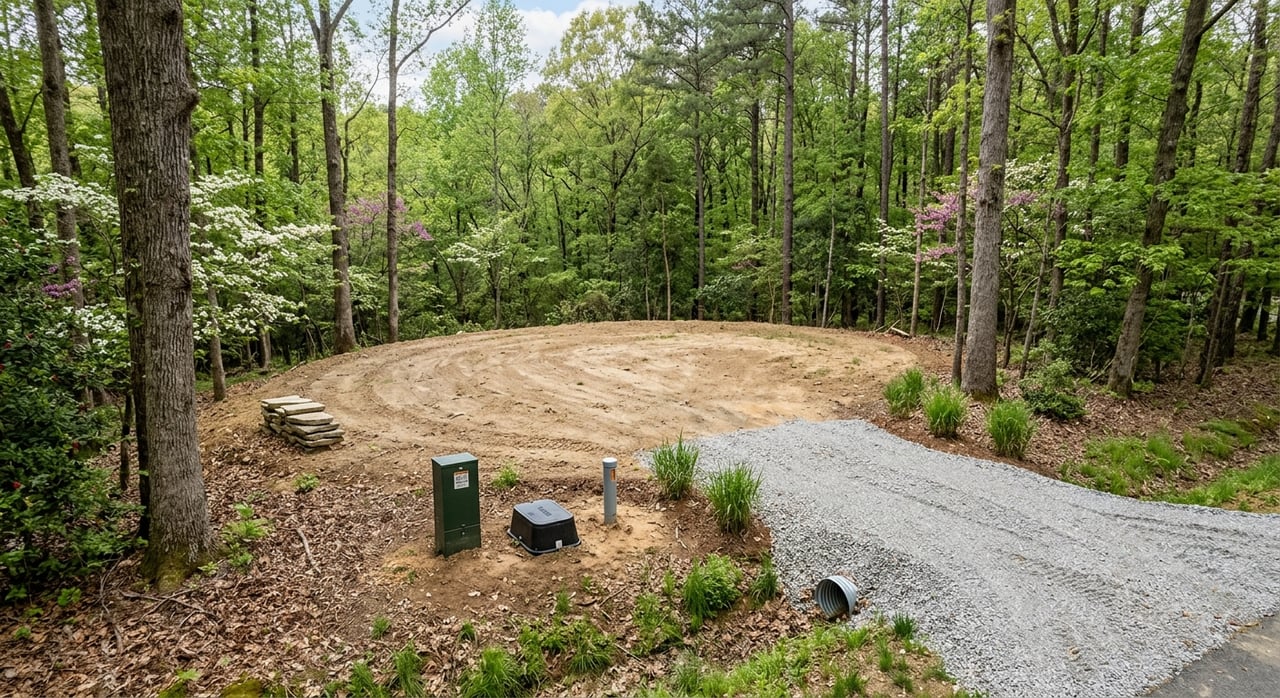
Thinking about buying land near Pickwick Lake? In Counce, the right lot can set you up for lake weekends, a future cabin, or a full-time home, but not every parcel is ready to build the way it first appears. If you want to avoid surprises around utilities, shoreline rules, or recorded restrictions, it helps to know what to check before you buy. Let’s dive in.
What Lots in Counce Usually Look Like
If you are planning to build near Pickwick, you will likely see more than one kind of land opportunity in Counce. The local market includes subdivision lots, wooded lake-access parcels, waterfront tracts, and larger acreage sites.
That variety matters because each lot type can come with very different building conditions. A neighborhood lot may offer a more straightforward path to utilities and access, while a rural or shoreline parcel may need more research before construction can begin.
You will also notice that inventory often clusters in named Pickwick communities like Woods of Pickwick and Lands of Pickwick. That means your search should focus on more than price per acre. In many cases, it is really a search for the right setting, infrastructure, and ownership rules.
Some properties are also marketed as build-later land. If that fits your plan, make sure you understand current utility options, site conditions, and permit timing before you purchase.
Why Infrastructure Matters First
A beautiful lot does not always mean a ready-to-build lot. Before you fall in love with views, trees, or shoreline, confirm how the property will actually support a home.
In Counce, water service may involve the First Utility District of Hardin County. You will want to find out whether the parcel already has access to that system or whether taps, line extensions, or another water source may be needed.
If the lot will use septic, Tennessee requires a septic permit for new installations. The state also says that permit approval should happen before dirt work or construction begins.
If the property will rely on a private well, Tennessee requires licensed well drillers and installers. These details may sound small at first, but they can affect your timeline, your budget, and even whether the lot fits your building plans.
Key utility questions to ask
- Is public water available now, or will service need to be extended?
- Will the property need a septic system?
- Has a septic permit already been issued, or will testing and approval still be needed?
- If there is no public water, is a private well the likely path?
- Are there utility easements or other site limitations on record?
Check Access and Recorded Documents Early
Access is one of the most important parts of any land purchase. A parcel may look easy to reach on a map or in photos, but you should verify road frontage, driveway access, easements, and restrictions through recorded documents.
In Hardin County, the Register of Deeds records deeds, plats, liens, and other real property documents. That makes it the key place to confirm what is actually tied to the parcel before closing.
This step is especially important in rural and lake areas. What you can see from the road is not always the full story, and a recorded file can reveal details that affect where and how you build.
Documents worth reviewing
- Deed
- Plat
- Recorded easements
- Restrictive covenants
- Any liens or other recorded property documents
Waterfront Lots Need Extra Review
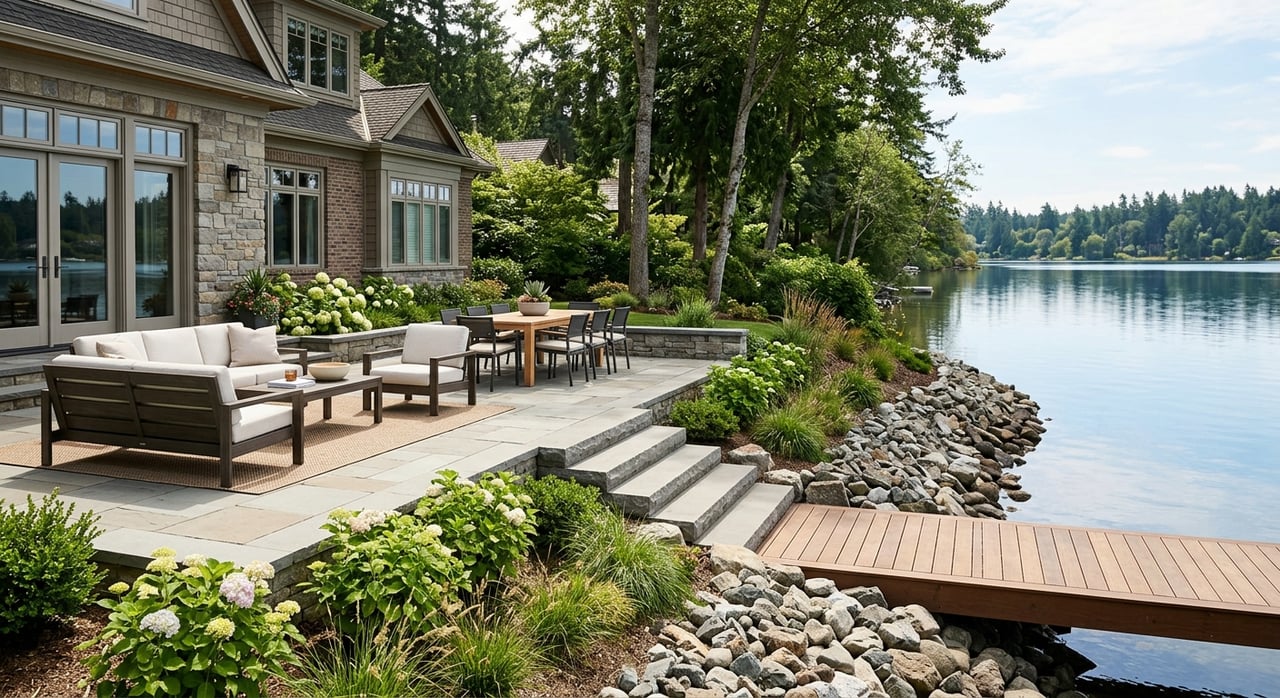
Waterfront land near Pickwick can be appealing for obvious reasons, but it also comes with an extra layer of due diligence. If a parcel touches the reservoir or sits close to the shoreline, you should assume there are rules that affect what you can do.
Pickwick Reservoir is a TVA mainstream reservoir in Hardin County. Its water level changes seasonally, from 414.0 mean feet above sea level in summer to 408 MSL in winter.
That seasonal change can affect how a lot looks, how much shoreline is exposed, and how a dock or launch area functions during different times of year. A waterfront lot in July may look very different in winter.
TVA states that most reservoir shoreline involves TVA land or land rights. TVA also requires approval for shoreline construction or alterations, and permits do not automatically transfer to a new owner.
If you buy waterfront property with an existing shoreline feature, the new owner must apply for a Section 26a permit within 60 days of closing. TVA also notes that fixed docks on Pickwick must be at least 18 inches above full summer pool, and dock and walkway size is limited.
What to confirm on waterfront land
- Whether any dock, walkway, or shoreline feature is TVA-approved
- Whether permit records are available
- Whether a new Section 26a application will be required after closing
- Whether any claimed boat slip, dock right, or water access is actually included
- How seasonal lake levels affect the lot’s shoreline and use
Consider Marina and Recreation Access
Part of Counce’s appeal is how close it is to Pickwick Lake recreation. Pickwick Landing State Park is a major local anchor with a marina, boat ramp, cabins, camping, and golf.
For many buyers, that makes nearby land especially attractive for future full-time living, retirement, or weekend use. If your goal is easy boating access, though, do not assume proximity means rights are included.
A lot near a marina, launch area, or state park can still have different access terms than you expect. It is smart to verify whether any slip rights, launch access, or community amenities are actually part of the property.
Flood Maps Should Be Part of Your First Review
If a parcel is low-lying or close to the shoreline, flood risk should come up early in your decision process. Waiting until after an offer is accepted can create stress and change your plans.
The FEMA Flood Map Service Center is the official public source for flood hazard information and flood insurance rate maps. Reviewing flood-map information early can help you better understand the property’s risk profile and possible building considerations.
This does not mean every shoreline-adjacent lot is a problem. It simply means you should know what you are buying before you move into design, pricing, and construction planning.
Community Rules Can Shape Your Build
Not every lot in the Counce area is raw, unrestricted land. Some Pickwick-area communities are planned neighborhoods or amenity-driven developments, and that can bring added ownership rules.
Depending on the property, you may need to review covenants, architectural guidelines, dues, or other community requirements. Those rules can affect home size, design choices, timelines, and even how long you can hold the property before building.
This is one reason land shopping near Pickwick often works best as a neighborhood-and-infrastructure search. The lot itself matters, but so do the rules that come with it.
Builder Questions That Matter in Counce
Once you find the right parcel, the next step is building with confidence. In Tennessee, a contractor’s license is required before bidding, contracting, or offering a price on projects of $25,000 or more.
The state advises buyers to verify the license, review complaint history, get more than one estimate, and confirm who will actually perform the work. For smaller electrical jobs, local permit and inspection compliance is still required, and local rules can vary.
For a Pickwick-area build, experience with local conditions can make a real difference. A builder who understands septic coordination, lake-area permit timing, and shoreline approval issues may help keep your project moving more smoothly.
Smart builder questions to ask
- Are you properly licensed in Tennessee for this project?
- Have you built on lake-area or rural lots before?
- How do you handle septic coordination and permit timing?
- Who will actually manage and perform the work?
- What local permits or inspections should I expect?
A Simple Checklist Before You Buy Land
If you are narrowing down lots in Counce, a few practical steps can save time and money later. These checks can help you sort a truly buildable property from one that may need more planning.
Pre-purchase land checklist
- Pull the plat, deed, and recorded restrictions from the Hardin County Register of Deeds
- Confirm the water path, septic path, or well path before clearing or grading
- If the lot is waterfront or near shore, ask for the TVA permit file
- Verify a builder’s Tennessee license and complaint history before signing
- Check flood maps early and ask how seasonal lake levels affect the parcel
Why Local Guidance Helps
Land near Pickwick is often about more than location alone. You are balancing views, lake access, utilities, recorded documents, community rules, and the realities of building in a resort-oriented market.
That is where local experience can be especially valuable. A team that understands Counce, Pickwick communities, and the practical side of lake-area land can help you ask better questions before you commit.
Whether you want a wooded homesite, a waterfront tract, or a parcel to hold for later, the goal is the same: buy with clarity so your future plans have a stronger foundation. When you are ready to explore lots and land in Counce, connect with Crye*Leike Pickwick for local guidance tailored to the Pickwick Lake market.
FAQs
What types of lots are common in Counce near Pickwick Lake?
- Buyers in Counce often find subdivision lots, wooded lake-access parcels, waterfront tracts, and larger acreage sites.
What should you verify before buying land in Counce?
- You should confirm utility access, septic or well options, road frontage, easements, recorded restrictions, and whether the parcel is truly ready to build.
What permits matter for waterfront land near Pickwick?
- Waterfront and shoreline-adjacent properties may involve TVA rules, and shoreline construction or alterations require TVA approval.
What does Tennessee require for septic on a new build lot?
- Tennessee requires a septic permit for new septic installations, and the permit should be obtained before dirt work or construction begins.
Where can you check property records for a lot in Hardin County?
- The Hardin County Register of Deeds is the place to review deeds, plats, liens, and other recorded real-property documents.
Why do flood maps matter for lots near Pickwick Lake?
- Flood maps can help you understand flood hazard information early, which is especially important for low-lying or shoreline-adjacent parcels.
What should you ask a builder before starting a home in Counce?
- Ask about Tennessee licensing, local permit experience, septic coordination, project oversight, and experience building on lake-area or rural lots.